Save 10% Off Wildlife Exclusion Services Today
Exploring Monticello: Thomas Jefferson’s Architectural Masterpiece and Historical Legacy
Monticello: Architectural Innovation Meets American History
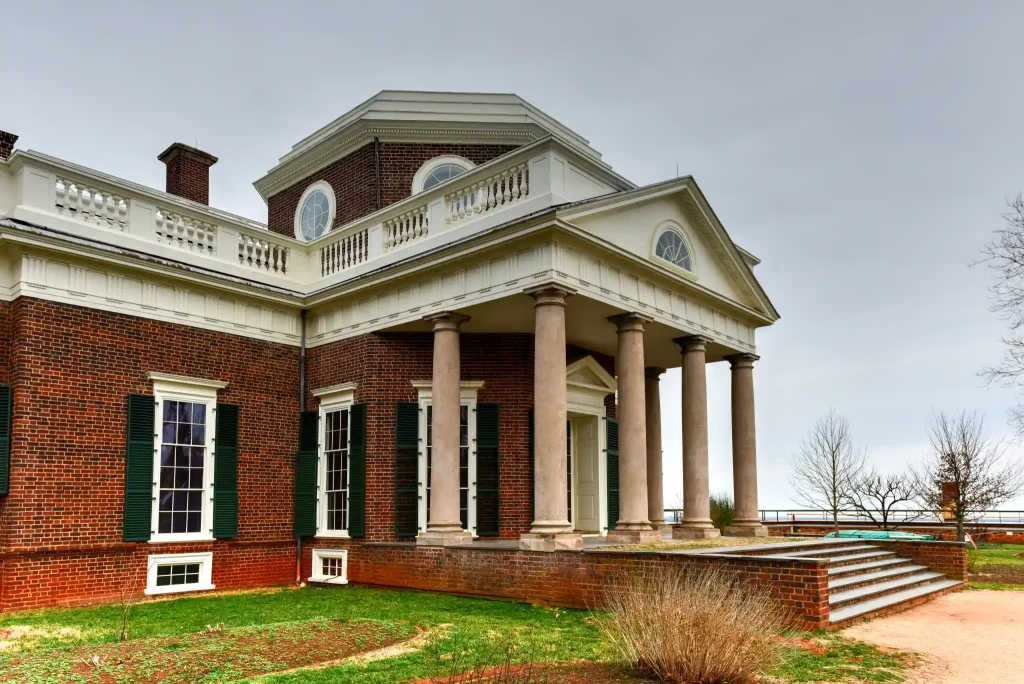
Monticello’s Architectural Innovation
Tree trimming stands as one of the most impactful maintenance practices for property owners in Vanceboro, NC. Proper trimming protects tree health, enhances curb appeal, and prevents costly damage to structures and power lines. In eastern North Carolina, where humidity levels remain high through late summer and hurricane season brings strong winds, maintaining well-balanced tree canopies becomes particularly important for preventing storm damage.
Many homeowners delay tree trimming until branches pose obvious problems, but proactive care delivers far better results. Regular trimming removes diseased or weakened wood before it compromises the entire tree, promotes stronger growth patterns, and allows more sunlight to reach your lawn and garden beds. Native species such as loblolly pine and water oak grow vigorously in our climate, often requiring seasonal attention to maintain safe clearances from structures.
This guide provides practical tree trimming strategies you can apply immediately to improve tree health and property appearance. Whether you manage a small residential lot or a larger property, these principles will help you make informed decisions about when to trim yourself and when professional services deliver the best value.
Jefferson’s Vision and Influence
Jefferson approached Monticello not merely as a residence but as a physical manifestation of Enlightenment ideals. His extensive library, which later formed the foundation of the Library of Congress, informed every design decision. He studied architectural treatises by Andrea Palladio and other Renaissance masters, adapting their principles to the Virginia landscape and climate. This intellectual rigor transformed Monticello into an ongoing experiment in which Jefferson continuously refined his vision over four decades of construction and renovation.
The estate’s design reflected Jefferson’s democratic ideals alongside his contradictions. While the symmetrical facades and classical proportions suggested order and equality, the hidden service spaces revealed the enslaved labor that sustained the property. This complexity makes Monticello an essential site for understanding the full scope of American history. Jefferson’s belief in education and knowledge influenced not only the physical design but also the estate’s role as a gathering place for political and scientific discourse during his lifetime.
His influence extended far beyond the hilltop estate. Jefferson’s architectural principles informed the design of the University of Virginia, where he created an “academical village” that integrated learning spaces with residential life. The same attention to proportion, natural light, and classical reference that defined Monticello became hallmarks of American civic architecture. Today, when specialists work to maintain historic structures throughout the Midlands region, they often encounter buildings influenced by Jefferson’s enduring design philosophy, requiring careful attention to original materials and specialized preservation techniques that respect historical integrity.
The Enduring Legacy and Cultural Significance
In recognition of its outstanding universal value, Monticello was designated a UNESCO World Heritage Site in 1987, joining a select group of properties that represent significant contributions to human history and culture. This distinction acknowledges both Jefferson’s architectural innovation and the estate’s role in shaping American identity during the nation’s formative years. The designation places Monticello alongside other iconic American landmarks and reinforces the importance of ongoing preservation efforts that maintain the property for future generations.
Monticello attracts scholars, architects, and history enthusiasts from around the world who seek to understand how Jefferson’s ideas translated into physical form. The estate serves as a primary resource for research into early American architecture, agricultural practices, and the complex realities of plantation life. Recent interpretive efforts have expanded the narrative to include the stories of the enslaved community that built and maintained the property, providing a more complete understanding of the site’s historical significance. This commitment to comprehensive storytelling reflects contemporary standards for historical interpretation and education.
The cultural legacy of Monticello extends into the present day, influencing architectural preservation standards and heritage tourism throughout the United States. The estate’s significance reaches beyond its historical associations with Jefferson to encompass broader themes of innovation, craftsmanship, and the ongoing work required to maintain heritage properties. Just as Monticello requires continuous care to prevent deterioration from environmental factors and age, historic structures throughout South Carolina benefit from proactive maintenance strategies that address structural vulnerabilities before they compromise the integrity of the building.
Monticello’s Restoration and Preservation
The Thomas Jefferson Foundation has undertaken extensive restoration projects since acquiring the property, employing archaeological research and architectural analysis to return Monticello to its appearance during Jefferson’s lifetime. Recent excavations have uncovered foundations of structures mentioned in historical documents but lost to time, including workshops and living quarters for enslaved craftspeople. These discoveries have informed restoration decisions and enriched the interpretation of daily life on the plantation, revealing details that written records alone could not provide.
Conservation challenges at Monticello mirror those faced by heritage properties throughout the region. Moisture infiltration, structural settling, and biological threats require constant monitoring and intervention. The red brick facades demand periodic repointing to prevent water penetration, while the wooden elements need protection from decay and insect damage. Modern preservation techniques balance historical accuracy with the practical need to extend the life of original materials. Specialists employ non-invasive methods to assess structural conditions and develop treatment plans that respect the property’s historical character while ensuring long-term stability.
One often-overlooked aspect of heritage preservation involves managing wildlife that can threaten historic structures. Attics, crawl spaces, and wall cavities in older buildings provide ideal habitats for rodents, bats, and other animals whose presence can cause significant damage to irreplaceable materials. Preservation professionals recognize that humane wildlife exclusion represents a critical component of building conservation. Properties throughout the Midlands region face similar challenges, requiring approaches that protect both the structure and the local ecosystem. When properly managed, historic sites can coexist with native wildlife populations without compromising architectural integrity, ensuring that future generations can experience these landmarks as Jefferson and his contemporaries knew them.
Visiting Monticello and Planning Your Experience
The Thomas Jefferson Foundation has undertaken extensive restoration projects since acquiring the property, employing archaeological research and architectural analysis to return Monticello to its appearance during Jefferson’s lifetime. Recent excavations along Mulberry Row have revealed the foundations of workshops and living quarters, providing unprecedented insight into the daily operations of the plantation and the lives of the enslaved community who built and maintained the estate. These discoveries have reshaped historical interpretation and informed restoration decisions across the property.
Conservation challenges at Monticello mirror those faced by many heritage sites: managing environmental exposure, controlling moisture infiltration, and addressing structural wear accumulated over more than two centuries. The foundation employs specialized craftspeople trained in historical building techniques to repair brickwork, restore original window systems, and maintain the integrity of Jefferson’s innovative architectural features. Similar attention to detail is required when protecting historical structures from biological threats, termites, powder post beetles, and rodents can cause irreversible damage to irreplaceable timber framing and original woodwork if left unaddressed.
Modern preservation work at Monticello balances public access with conservation imperatives. Climate control systems protect interior furnishings and artifacts while remaining invisible to visitors. Landscape restoration has reintroduced period-appropriate plantings based on Jefferson’s meticulous garden records. The ongoing commitment to preservation ensures that future generations will experience Monticello much as Jefferson himself knew it, a testament to both his vision and the dedicated work of those who maintain his legacy.